 |
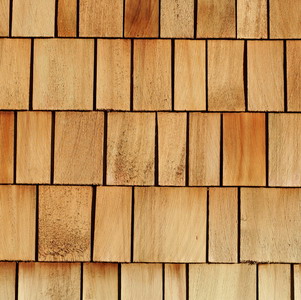
Rubber shingles provide homeowners with a great alternative to traditional roof shingle types and standard roofing materials for a great price. Using new technology, recycled rubber shingles made of plastic bags, rubber tires and other recycled materials, are made to look like the real thing. Not only are recycled tire roof shingles considerably lighter and cheaper than the standard roofing materials, they carry a Class A fire rating, can withstand 80 mph winds, are excellent insulators and perfectly mimic the home’s historical look.
 |  | 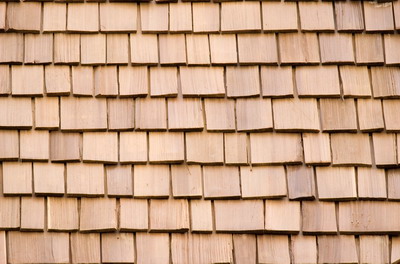 |
Rubber shingles are made of recycled materials. Recycled rubber roof shingles or rubber tire roof shingles are heated and then molded under high pressure, preserving the benefits of the original materials and steel belting found in tires, for example. Recycled rubber shingles thus are made to imitate cedar roof shingles or other, at a much lesser cost. Modern day technology is used to preserve the integrity of historical looking homes.
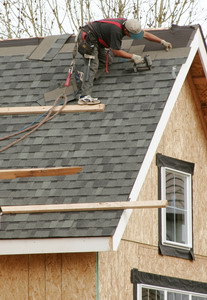
As could be expected from rubber shingles using recycling technologies, they are strong and sturdy, firm and flexible. Warranties, accordingly, are usually given for periods of 30 to 50 years. Over their lifetime, they require few repairs or replacements, especially when compared with asphalt shingles. However, when comparing them to asphalt, rubber shingles are as much as four times more expensive. Shipping and installation are also rather difficult due to the sturdiness of rubber shingles.
With rubber shingles homeowners can find a roofing material that is impenetrable to water and plants, resistant to hail and fire. Rubber shingles are low in cost compared with other alternatives and certainly low in maintenance due to their sturdy material. To these advantages is added the environmentally friendly aspect of choosing recycled materials.
The guttering system of your roof is one of the most essential elements of protection against weathering, and proper maintenance and repair will ensure its functionality and longevity. Do it yourself roof repair is a great way to take care of your gutters and down pipes, and isn't always complicated. However, roof repair DIY should be viewed as a temporary solution before calling a professional. In this case, Roof101 has an entire team of professionals waiting to assist you.

|



 Loading Roof101.com...